Clutch Box Template Review
The Clutch Box Template offers a clean, structured design that feels immediately useful for a variety of embroidery projects. As a designer who regularly works with custom apparel, personalized gifts, and small business merchandise, I was eager to see how this template would perform in real-world applications.
First Impressions: A Versatile Shape for Embroidery
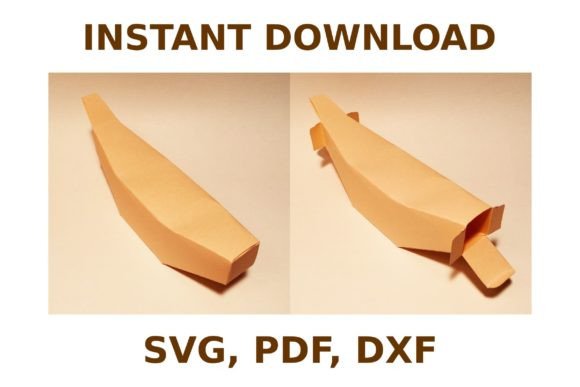
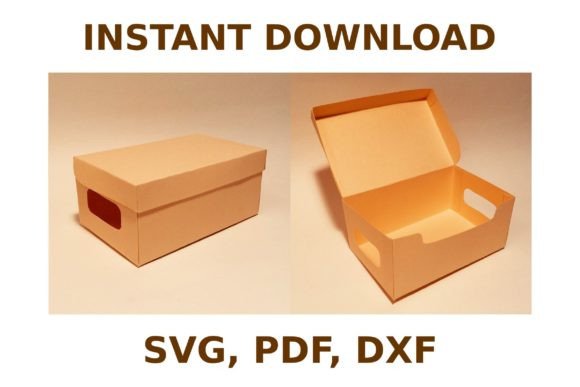
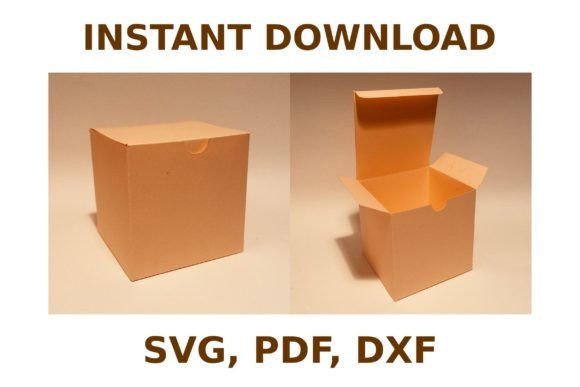
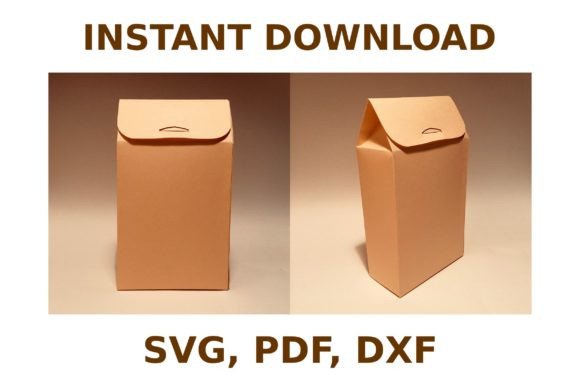
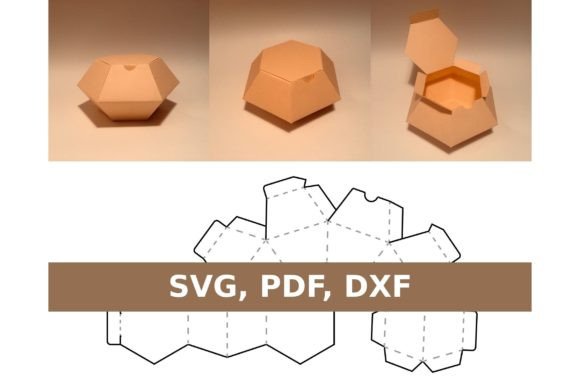
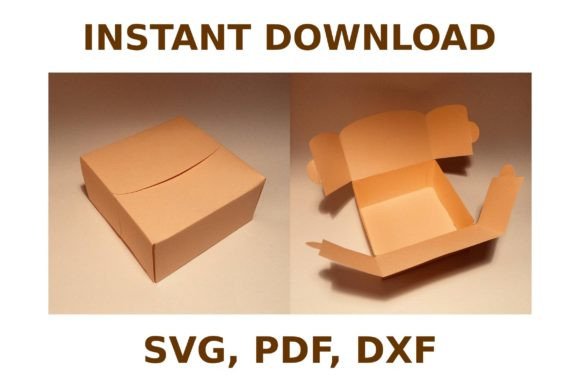
The Clutch Box Template has a modern, minimalist aesthetic that leans into geometric precision. Its shape is straightforward yet elegant, making it ideal for a wide range of items—from tote bags to baby clothes. The layout is well-balanced, with clear lines that translate well into machine embroidery design. The 3D SVG format suggests depth and dimension, which could add visual interest when stitched onto fabric.
This design feels like it belongs in a handmade product or personalized gift. It’s not overly complex, but the detail level is just enough to make it stand out without overwhelming the fabric. The theme is neutral enough to work with various color schemes and fabric types, which is a big plus for designers looking for flexibility.
Real-World Use: How Clutch Box Template Performs
When considering real-life embroidery situations, the Clutch Box Template shows promise. For custom apparel like sweatshirts or t-shirts, the design would look sharp and professional. It could also serve as an embroidered patch for caps or jackets, where clarity and definition are essential.
For baby items, the clean lines and simple structure make it a safe choice. Parents often prefer designs that are easy on the eyes and not too intricate. The Clutch Box Template could be used on onesies, blankets, or nursery decor without appearing too busy or distracting.
In holiday or wedding-themed projects, this template could act as a subtle accent. It might be used on tea towels, pillow covers, or even as part of a printable mockup for a boutique product. The versatility of the design makes it a strong candidate for both personal and commercial use.
Where to Be Cautious: Limitations and Considerations
While the Clutch Box Template is generally well-suited for many projects, there are some scenarios where it may not perform as expected. For instance, on small hoop sizes, the design could become too tight or difficult to stitch accurately. If you're working with textured fabrics or thin materials, the stitch density might cause puckering or distortion.
On dark fabrics, the design might not show up as clearly, especially if the thread colors aren’t properly chosen. Similarly, on stretchy or layered garments, the design could lose its shape or become misaligned. For curved surfaces like caps, the template may require some adjustment to fit properly.
Small details, such as tiny lettering or intricate corners, could be challenging to execute without careful planning. If the design is used in dense stitch areas, it might appear cluttered or less defined. Decorative accents, if added, should be done with care to avoid overcomplicating the overall look.
Impact on Visual Appeal and Customer Perception
The Clutch Box Template has the potential to enhance the visual appeal of any finished product. Its clean lines and structured form can elevate the look of a handmade item, making it more attractive to customers. When stitched correctly, it adds a touch of professionalism that can increase customer trust and satisfaction.
For Etsy sellers or small shop owners, this design could be a valuable addition to their digital product library. It offers a reliable base for creating personalized gifts, custom apparel, or boutique merchandise. The ability to use it across multiple products helps maintain brand consistency while offering variety to buyers.
As a design asset, the Clutch Box Template supports the giftability and recognition of a product. Customers are more likely to purchase something they find visually appealing and well-crafted. This design can help boost buyer engagement by providing a clear, recognizable element that stands out in a crowded market.
Practical Designer Notes: Testing and Preparation
Before using the Clutch Box Template in a project, it’s wise to test it on scrap fabric. This will help determine how the design looks on different materials and whether adjustments are needed. Checking thread color contrast is also important—especially if the design will be used on dark or light backgrounds.
Reviewing the stitch density is crucial for ensuring that the design doesn’t become too dense or too sparse. Confirming the correct hoop size will prevent issues during the stitching process. Inspecting small details like corners or lettering can save time later on.
Testing the design in black and white mockups can reveal how it appears without color, which is helpful for understanding its overall impact. Comparing it on light and dark fabric backgrounds ensures it remains visible and legible in all conditions.
Using the proper stabilizer is essential for maintaining the integrity of the design, especially on delicate or stretchy fabrics. Before selling finished items or digital products, always confirm the licensing terms to ensure compliance with any restrictions.
Conclusion: A Reliable Choice for Many Projects
The Clutch Box Template is a practical and versatile design that can fit into a wide range of embroidery projects. Its clean lines and structured form make it ideal for custom apparel, personalized gifts, and small business merchandise. While it requires careful consideration in certain applications, it offers a solid foundation for both handmade and commercial use.
As a designer, I would recommend this template for those looking to expand their design assets or create consistent, professional-looking products. With proper testing and preparation, the Clutch Box Template can become a valuable tool in your embroidery workflow.