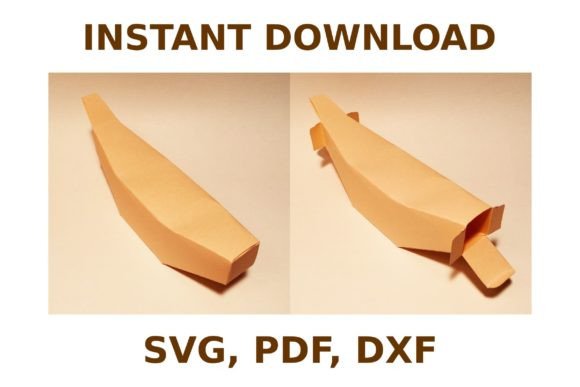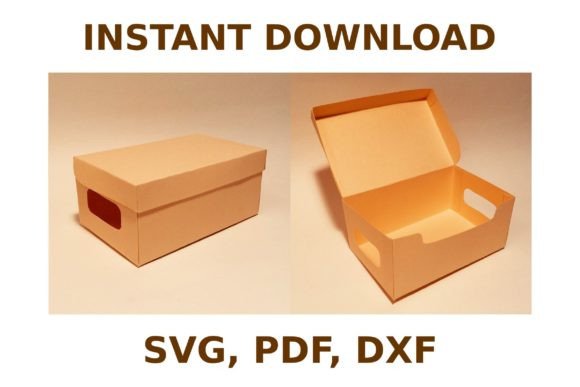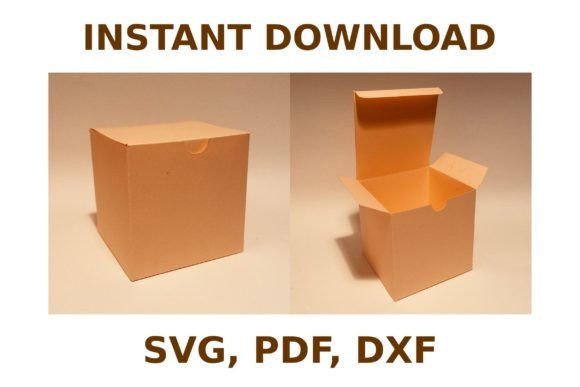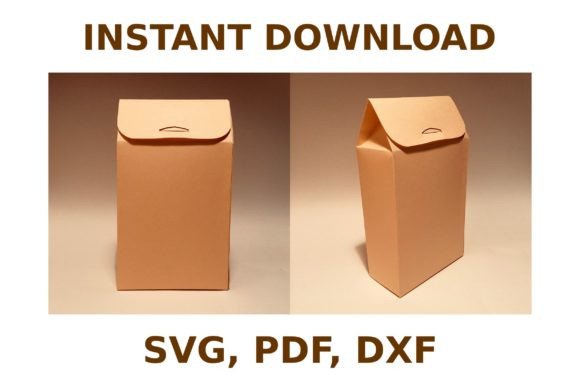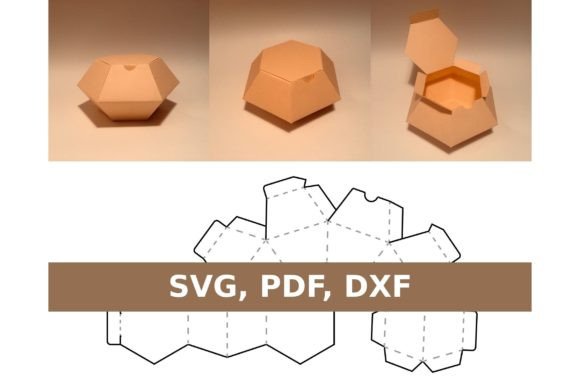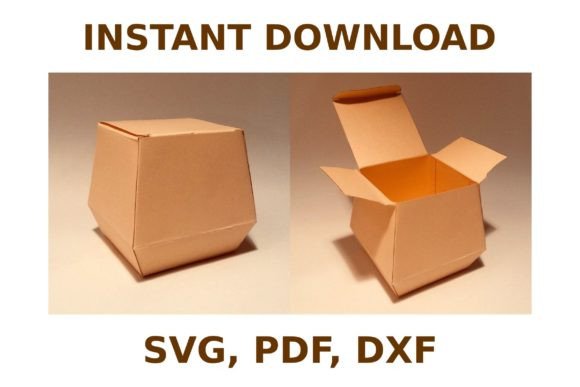
Food Box Template – 3D SVG Shapes
As a graphic designer with years of experience in branding, packaging, and digital design, I often find myself evaluating design assets for real client projects. The Food Box Template caught my attention not just for its visual appeal but for its potential to elevate a wide range of creative projects. This review explores how this 3D SVG Shapes asset can be a valuable addition to your design toolkit.
First Impressions: A Versatile Design Asset
The Food Box Template immediately conveys a sense of practicality and creativity. Its clean lines and structured layout suggest a modern design approach that aligns well with contemporary branding trends. The templates are designed with usability in mind, making them ideal for small business owners, handmade brands, or anyone looking to create professional-looking marketing visuals quickly.
What stands out is the variety of formats included—SVG, DXF, and PDF. This flexibility ensures compatibility with tools like Silhouette and Cricut, which are popular among crafters and digital sellers. Whether you're working on a print-on-demand product or an Etsy shop, these files offer a solid foundation for further customization.
Real-World Applications: From Packaging to Social Media
One of the most compelling aspects of the Food Box Template is its adaptability. It can serve as a starting point for logo design, brand identity, or even product labels. The structure of the template makes it easy to integrate into a broader design system, ensuring consistency across different materials.
In packaging design, the Food Box Template can act as a mockup or a base for custom illustrations. For social media graphics, it can be used as a hero graphic or a decorative element that enhances the visual mood of a campaign. Its scalability also makes it suitable for t-shirt design, mugs, and tote bags, where a consistent look is essential.
For editorial design or web design, the template can be adapted into a Canva template or a Pinterest pin. Its modular nature allows for easy reconfiguration, making it a useful tool for content creators and bloggers who need visually engaging assets quickly.
Best Uses: Large Layouts and Themed Campaigns
The Food Box Template shines when used in large layout areas, such as posters, flyers, or product mockups. Its structured design helps maintain visual hierarchy without overwhelming the viewer. It’s particularly effective in themed collections or seasonal campaigns, where a cohesive aesthetic is key.
As a decorative accent, the template adds depth and dimension to designs, making it ideal for printable wall art or sticker design. In commercial design, it can support campaign visuals by providing a consistent visual language that reinforces brand messaging.
Caution Areas: Minimalist Branding and Crowded Layouts
While the Food Box Template is versatile, it may not be the best fit for minimalist branding or low-contrast designs. Its detailed structure can clash with clean, simple aesthetics, potentially disrupting the intended visual flow.
In crowded layouts or complex backgrounds, the template might lose its impact. It requires careful placement to ensure it doesn’t get lost in the noise. Similarly, for professional corporate materials, where clarity and precision are paramount, the template may need significant modification to meet those standards.
Design Considerations: Readability and Brand Consistency
When using the Food Box Template, readability should always be a priority. Test it in black and white to see how it holds up without color. Check contrast on both light and dark backgrounds to ensure it remains visible and legible.
It’s also important to preview the template at various sizes. At smaller scales, details may become less defined, so adjustments may be necessary. Placing it on real mockups or testing print quality can reveal how it performs in physical applications.
Practical Designer Notes: File Formats and Licensing
Before using the Food Box Template for a client project, make sure to review the file formats. SVG and DXF files are ideal for vector editing, while PDFs are great for print. If PNGs are included, check transparency to ensure they work seamlessly with different backgrounds.
Confirm the commercial license to avoid any legal issues. This is especially important if you're using the template for an Etsy product, print-on-demand, or any other commercial application. Always compare the template with different font styles to see how it interacts with text elements.
Conclusion: A Useful Creative Asset for the Right Project
The Food Box Template is a strong example of a graphic design asset that can enhance a variety of creative projects. Whether you're working on a handmade business, a small business branding initiative, or a digital product launch, this 3D SVG Shapes template offers a solid foundation for further customization.
Its flexibility, combined with a clear understanding of its strengths and limitations, makes it a valuable addition to any designer's library. With proper testing and thoughtful integration, it can help elevate the visual quality of your work and support your clients' goals effectively.